A weekend in Gargždai
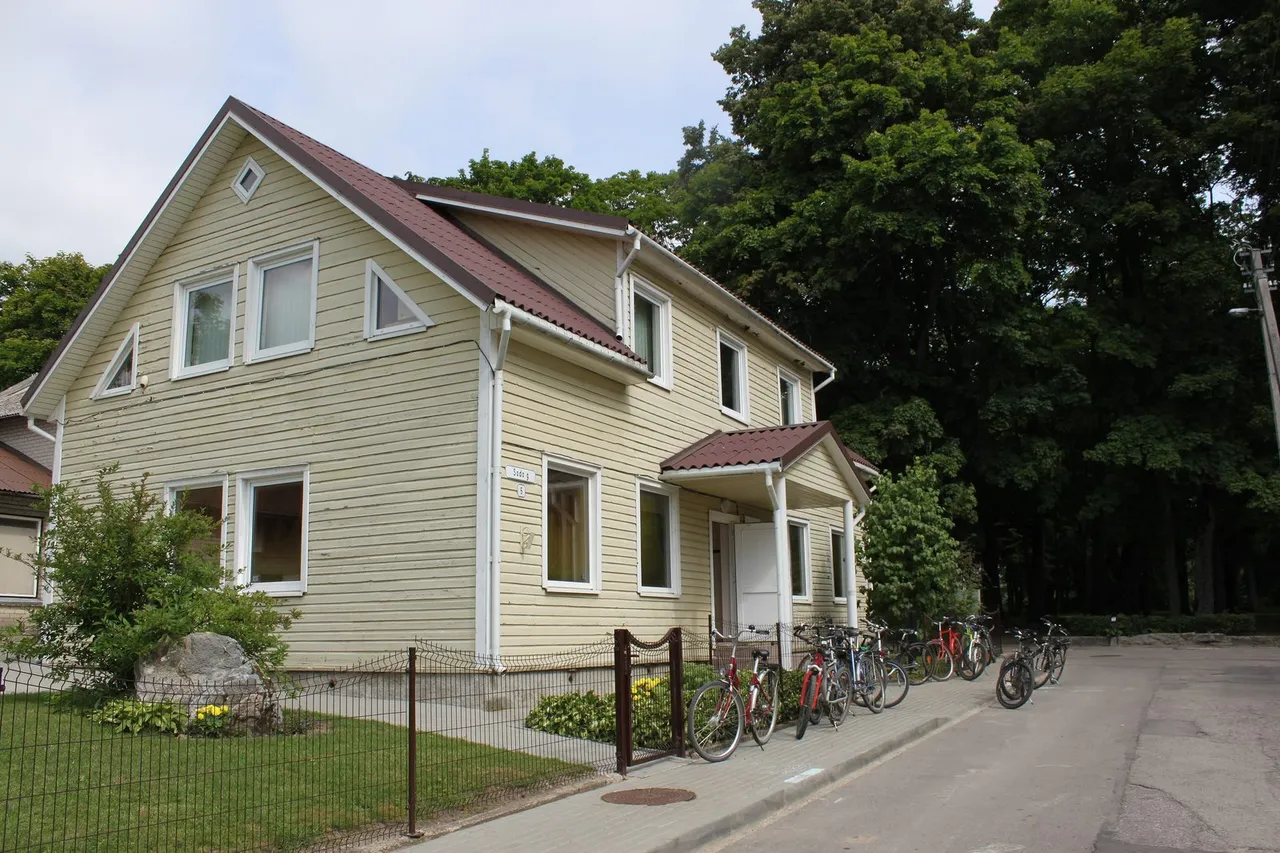
Gargždai Regional Museum in an old manor estate in the Minija valley, 19 km from Klaipėda; the bus takes 24 minutes.
Contents
Gargždai in brief
Gargždai is in western Lithuania, 19 km east of Klaipėda, on the right bank of the Minija. In 2023 the town had 15,932 residents (VLE, in Lithuanian). Gargždai was first mentioned in 1253, and historically this place is where Lithuania Minor and Samogitia meet.
The main destination is the Gargždai Regional Museum, which is in a former manor estate. The town is small, so half a day is enough for the museum and a walk.
How to get there
The times are for Saturday 7 November, from the national timetable data (checked 2026-11-02).
- From Klaipėda. Intercity buses from Klaipėda bus station take 19–25 min: 05:40 → 05:59, 08:30 → 08:54 and 16:45 → 17:10. Back to the bus station they leave at 12:00, 15:00, 15:05 and 21:05. The most frequent is Klaipėda minibus 116: it leaves from the Arenos stop (get there on bus 8 from the bus station stop) at 06:30, 07:30, 08:30, 09:30, 10:20 and later all day, and takes 20–21 min to Gargždai. Back, 116 leaves Gargždų AS at 06:00, 07:00, 08:00, 09:00 and later. Suburban bus 101 also runs from bay 11 of the bus station. All 101 and 116 times are in the article Klaipėda to Gargždai by bus (in Lithuanian).
- From Kaunas and Vilnius. The direct M-916 bus goes to Gargždai without a change: from Kaunas 08:25 → 11:59 (3 h 34 min), from Vilnius 06:40 → 11:59 (5 h 19 min). From Kaunas there is also 11:30 → 14:55, and from Vilnius 17:30 → 21:04. The direct bus back leaves only in the morning: to Kaunas 08:55 → 12:30, to Vilnius 06:00 → 10:10. To get home the same day you have to go via Klaipėda (times in the section “Weekend plan”). By car it is 19 km from Klaipėda (19 min), 196 km from Kaunas (2 h 2 min) and 290 km from Vilnius (3 h 2 min) on an uncongested road (routing service, checked 2026-10-07). The Vilnius–Klaipėda motorway passes through Gargždai (VLE).
We described buying a bus ticket in the instructions.
Getting around
From the bus station to the museum at Sodo g. 5 you will walk about 1.3 km (18 min) (OpenStreetMap, checked 2026-10-07). We did not check city transport.
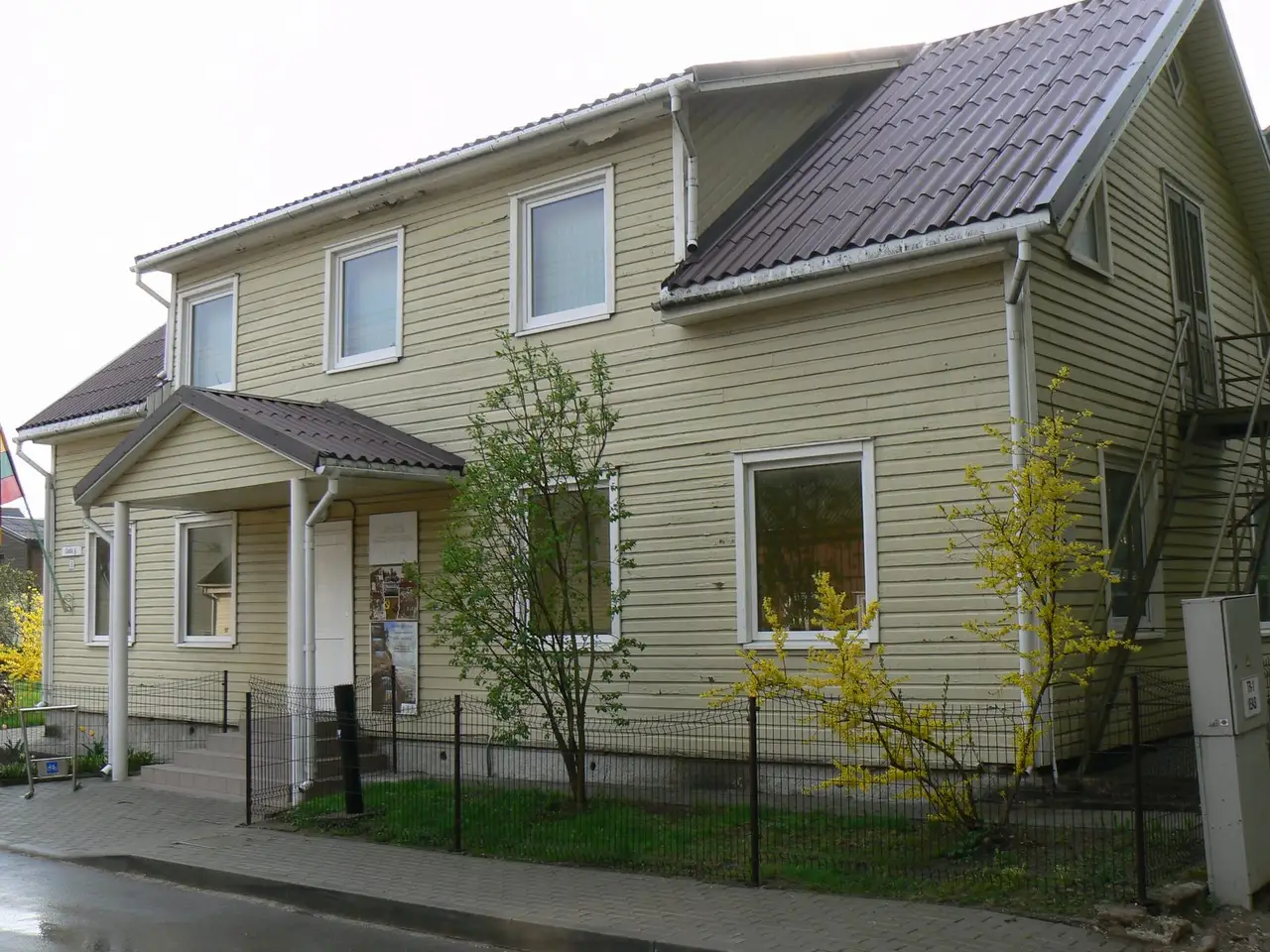
Gargždai Regional Museum
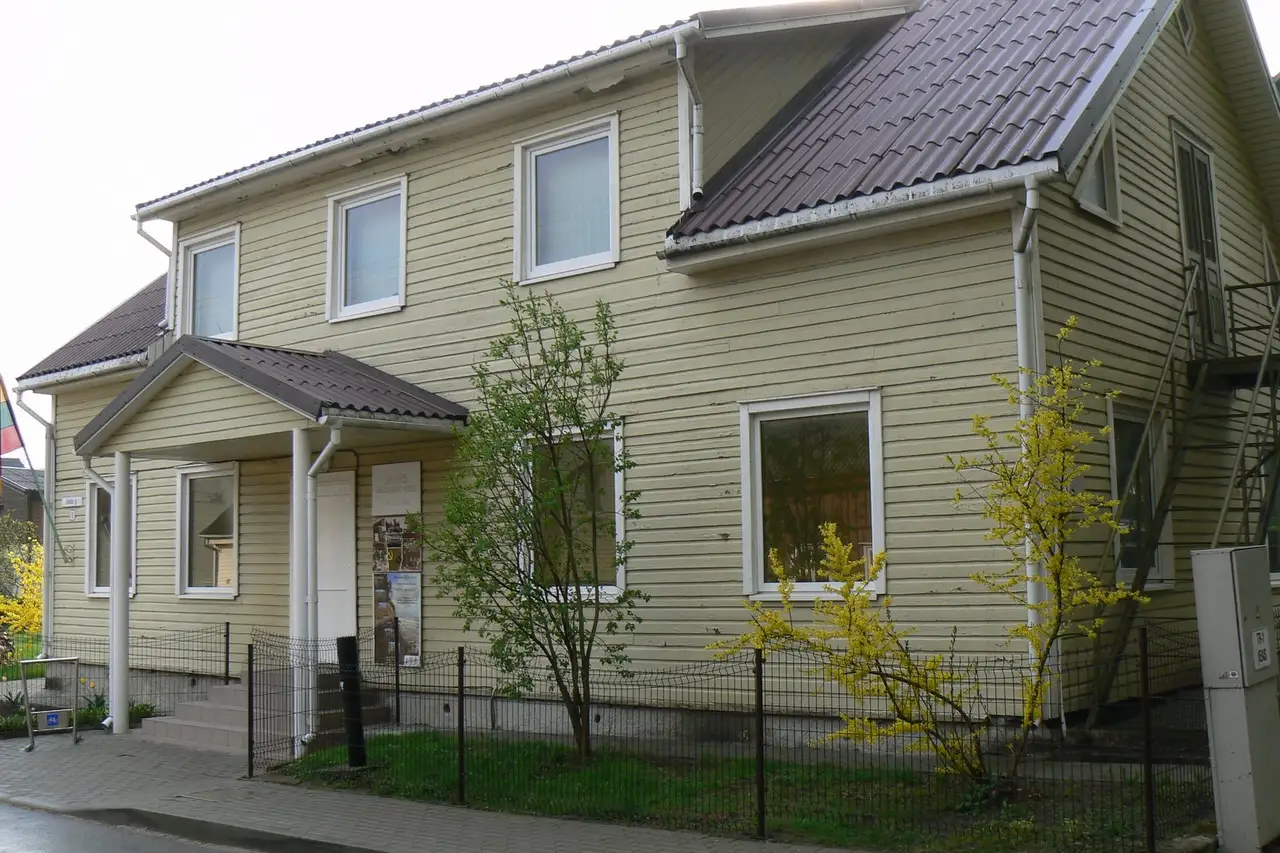
A museum on a former manor estate at Sodo g. 5: ethnographic and interwar Gargždai exhibitions.
What to see
Gargždai Regional Museum. The building was built as a residential house on the estate of the Rönne family, and the museum has operated here since 2005. The permanent exhibitions are the ethnographic one from the late nineteenth and mid-twentieth century and “Interwar Gargždai 1918–1939” (museum website, in Lithuanian, checked 2026-10-07). The old manor park survives next to the museum.
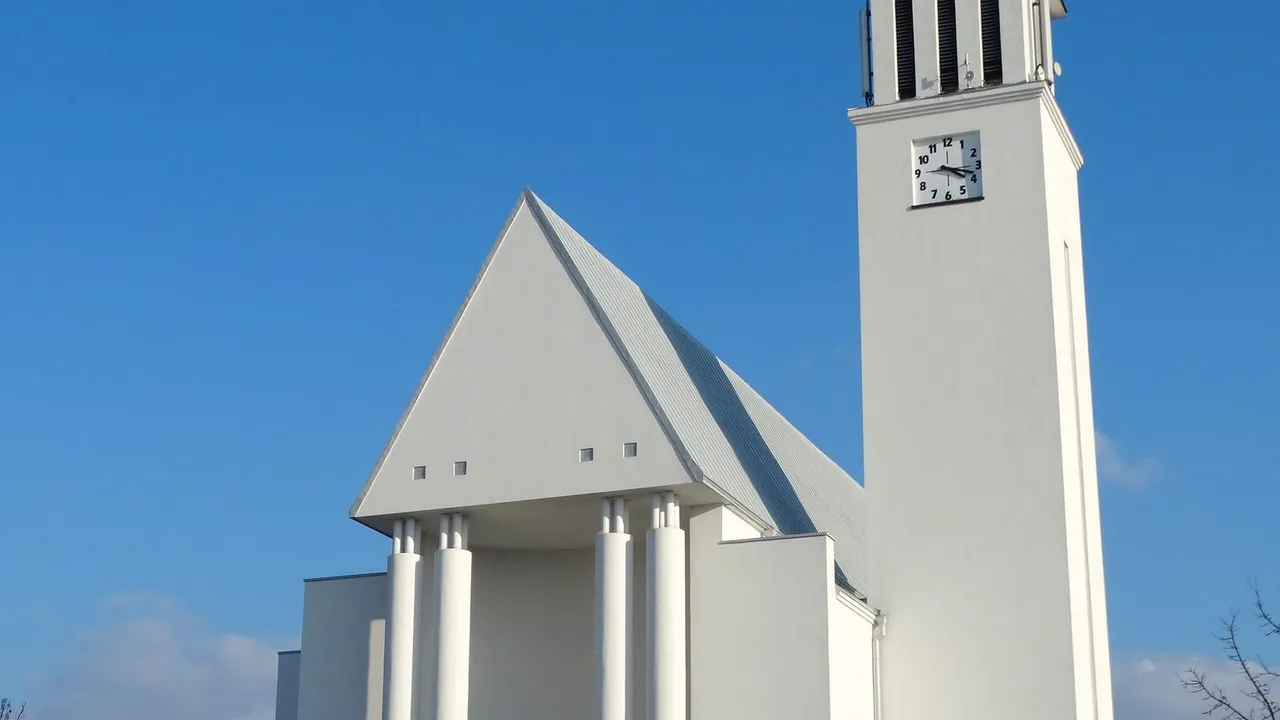
St Archangel Michael’s Church. Construction of the church began in 1989 on the site of the old one, and it was consecrated in 1992. In its churchyard stand a classicist chapel (1841) and a bell tower from the mid-nineteenth century (VLE, in Lithuanian, checked 2026-10-07).
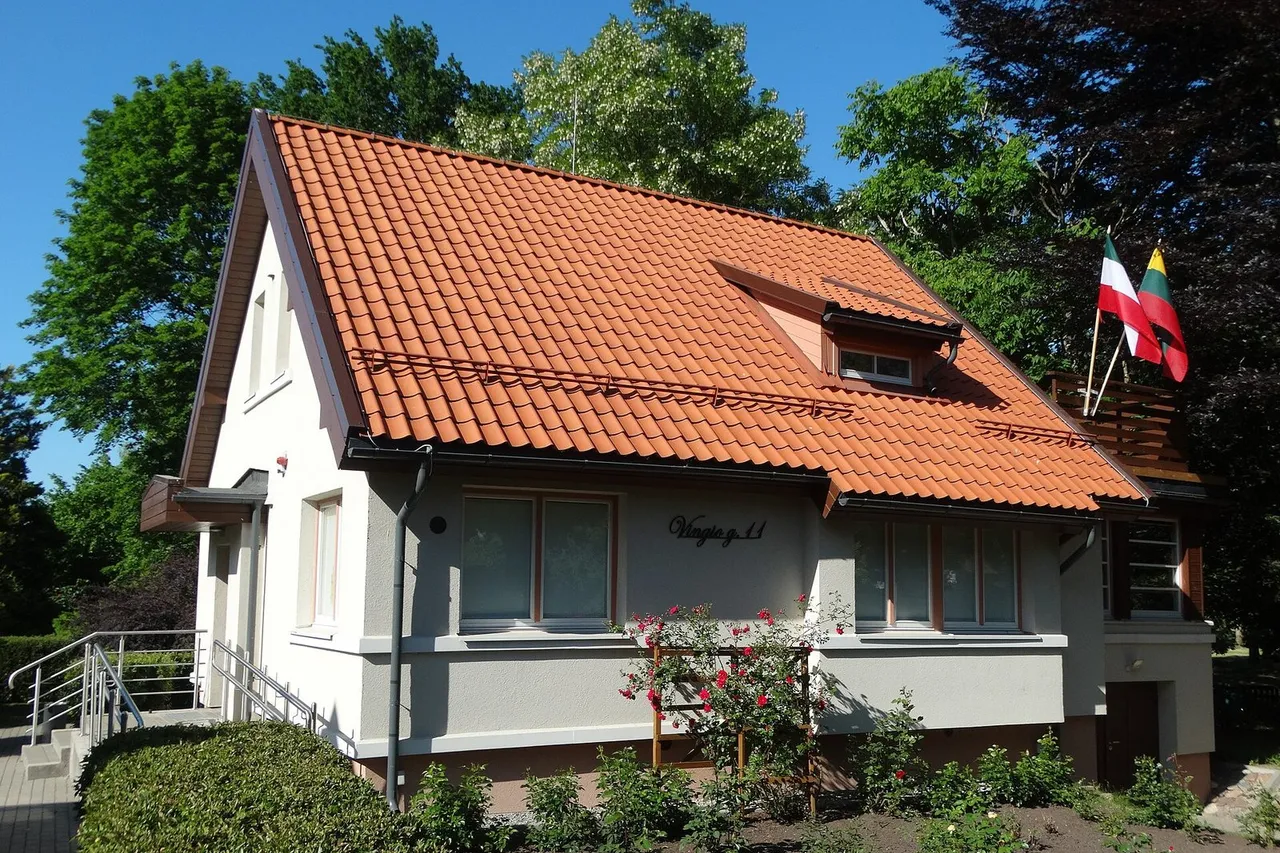
The museum’s branches. The Gargždai Regional Museum has four branches: the Museum of Freedom Fights and Deportation, the Agluonėnai ethnographic farmstead, the Ieva Simonaitytė Memorial Museum and the Jonas Gižas ethnographic farmstead (branches, in Lithuanian, checked 2026-10-07). The Simonaitytė museum presents the writer’s life, work and the heritage of Lithuania Minor, and offers the tour “Evės takais” (museum, in Lithuanian, checked 2026-10-07). The Gižas farmstead is devoted to shipbuilding on the coast and fishermen’s everyday life (farmstead, in Lithuanian, checked 2026-10-07), and the Agluonėnai farmstead holds workshops on the everyday life of Lithuania Minor’s people and old crafts (farmstead, in Lithuanian, checked 2026-10-07). Addresses: the Simonaitytė museum is at Vingio g. 11, Priekulė; the Gižas farmstead at Žvejų g. 13, Dreverna; the Agluonėnai farmstead is in Agluonėnai (contacts, in Lithuanian). We did not check how to get there by public transport.
The Museum of Freedom Fights and Deportation in Priekulė. The branch is in Priekulė, at Klaipėdos g. 29, in a former German gendarmerie. In 1945–1953 this complex of buildings housed the Soviet local security headquarters and a detention centre. The museum tells of partisan resistance, deportation and the resistance movement; for information call +370 696 26 175 (branch, in Lithuanian, checked 2026-10-07).
The windmill and the radio station. Besides the branches, the museum runs two exhibitions: J. Genys’s windmill in Agluonėnai (Agluonos g. 14A), which tells the history of mills and the grinding of grain, and the Jakai radio station exhibition (Pergalės g. 2, Jakai), devoted to the history of radio communication (windmill, radio station, in Lithuanian, checked 2026-10-07). Workshops “From Grain to Flour” and “The Jakai Radio Speaks” are offered.
Workshops. All the branches hold workshops for schoolchildren, families and adults, for example “Shutter Decoration” or “Herbal Medicine Cabinet” in Agluonėnai and “I Will Build a Sailing Barge” at the Gižas farmstead; the workshops must be booked in advance (booking of workshops and tours, in Lithuanian, checked 2026-10-07).
The old cemetery and the viaduct. The old cemetery from the first half of the nineteenth century has many wooden sculptures made by folk artists, among them a Pietà and the Man of Sorrows. The pedestrian viaduct was built in 1938 (VLE, in Lithuanian, checked 2026-10-07).
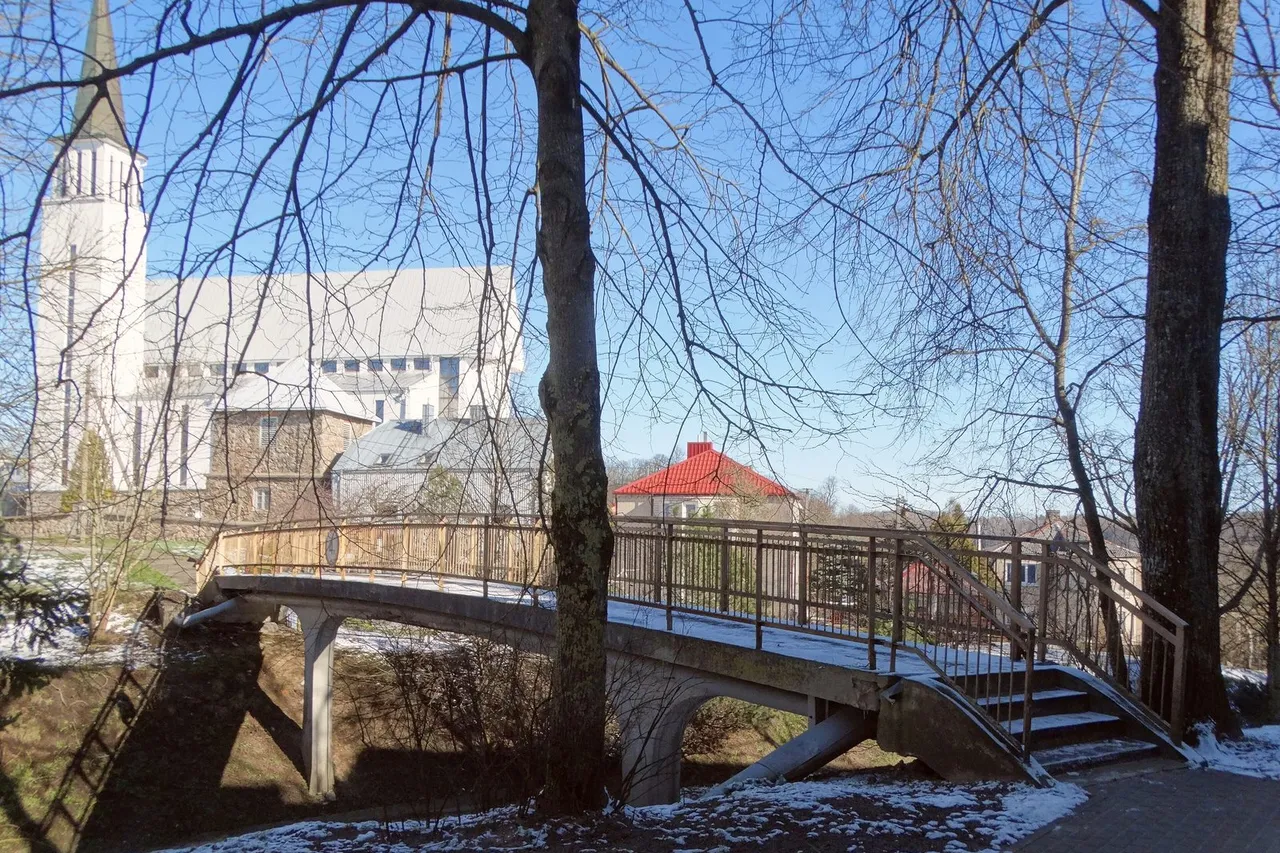
The town’s history. In the fifteenth century the manor of the Samogitian elders, the Kęsgaila family, stood in Gargždai, in 1600 the town received a market and fair privilege, and in 1792 town rights (VLE).
Nature around. To the north-east of the town is the Minija Old Valley reserve, and to the east the Gargždai hillfort (VLE).
What to do by season
The museum and all its branches are open Tuesday–Saturday 11:00–18:00 from 1 April to 31 October, and from 1 November to 31 March on Saturday only until 15:30 (opening hours, in Lithuanian, checked 2026-10-08).
Practical information
- Tickets. An adult ticket is €2 and a concession ticket €1. On the last Friday of the month visiting the exhibitions is free (prices, in Lithuanian, checked 2026-10-08).
- Payment. You can pay by bank card at the museum; tickets can also be bought online in the bilietai.lt system.
- Accommodation tax. We did not check a Gargždai tax; for the tax in other Lithuanian towns, read the article on the tourist tax.
Weekend plan
Saturday, 7 November. Take the 08:30 bus from Klaipėda and you will be in Gargždai at 08:54. The museum opens at 11:00, so until then walk around the town and look at the church. 11:00–13:00 the museum. Return to Klaipėda on the 15:00 bus. If you want to be earlier, take minibus 116 from the Arenos stop at 08:30 (in Gargždai at 08:51).
From Kaunas or Vilnius you arrive at 11:59. There is no direct bus back the same day, so choose one of two ways:
- Return the same day via Klaipėda. Stay at the museum until 15:15, as the walk to the station takes 18 min. Take city bus No. 101 at 15:40 to Klaipėda (16:08). From there you leave for Kaunas at 17:00 (arriving 19:35) and for Vilnius at 16:30 (arriving 20:15).
- Stay overnight. On Sunday the direct bus to Kaunas leaves at 08:55 (arriving 12:30) and to Vilnius at 06:00 (arriving 10:10).
The times are from the national timetable data (checked 2026-10-27).
For similar trips look at the lists of trips from Klaipėda (in Lithuanian), trips from Kaunas (in Lithuanian) and trips from Vilnius (in Lithuanian). Nearby you will find the pages for Klaipėda and Kretinga (in Lithuanian).
FAQ
How long does it take from Klaipėda to Gargždai? 24 min by direct bus.
Is the museum open on Saturday? Yes, see the opening hours in the section “What to do by season”.
How much does the museum cost? See the prices in the section “Practical information”.
Things to see and do in Gargždai


By car: distance, time, fuel
By car
- From Vilnius: 291 km, 2 h 40 min one way. Fuel there and back: €73.81 per car, €36.91 each for two people.Calculation: 2 × 291 km = 582 km; 582 km ÷ 100 × 6.5 l/100 km = 37.83 l; 37.83 l × 1.951 €/l = €73.81.
- From Kaunas: 197 km, 1 h 48 min one way. Fuel there and back: €49.97 per car, €24.99 each for two people.Calculation: 2 × 197 km = 394 km; 394 km ÷ 100 × 6.5 l/100 km = 25.61 l; 25.61 l × 1.951 €/l = €49.97.
- From Klaipėda: 18 km, 19 min one way. Fuel there and back: €4.57 per car, €2.29 each for two people.Calculation: 2 × 18 km = 36 km; 36 km ÷ 100 × 6.5 l/100 km = 2.34 l; 2.34 l × 1.951 €/l = €4.57.
From Šiauliai, Panevėžys is not calculated yet: we do not have map data for this route.
This is an approximate calculation, not a price. Travel time without traffic or border queues. Fuel price: Lithuanian average, Euro-super 95 with taxes, 2026-10-19, the European Commission's Weekly Oil Bulletin (CC BY 4.0); consumption 6.5 l/100 km. Routes: MOTIS, car profile, no traffic conditions, © OpenStreetMap contributors (ODbL), Geofabrik extracts, calculated 2026-10-29. There are no road tolls for passenger cars in Lithuania, Latvia and Estonia; for Poland, see here (in Lithuanian).